Extended Producer Responsibility

What It Means for Your Business from July 2026

From 1 July 2026, EPR rules across the EU are getting much stricter.

This isn’t just about ticking compliance boxes anymore. Businesses now need to take responsibility for what happens to their products and packaging from start to finish, not just when they’re sold.

So, what is EPR?

EPR (Extended Producer Responsibility) is an environmental policy which means:

👉 If you put products or packaging on the market,
👉 you’re responsible for what happens to them at the end of their life.

That includes collection, recycling, and disposal.

You count as a “producer” if you:

  • Manufacture products or packaging
  • Import goods into the EU
  • Sell products under your own brand (including private label)
  • Sell directly to customers (including e-commerce)

In simple terms:
If you place products on the market → you’re responsible for their environmental impact.
What is Changing in 2026?

More products are included

EPR now covers:

  • All types of packaging
  • Plastics and mixed materials
  • Electronics and batteries (in many regions)

Stricter Reporting

More data = more accountability. You’ll need to track:

  • Materials used and weights
  • Sales volumes
  • Countires where products are sold
  • Recycling and recovery data

Fees linked to sustainability

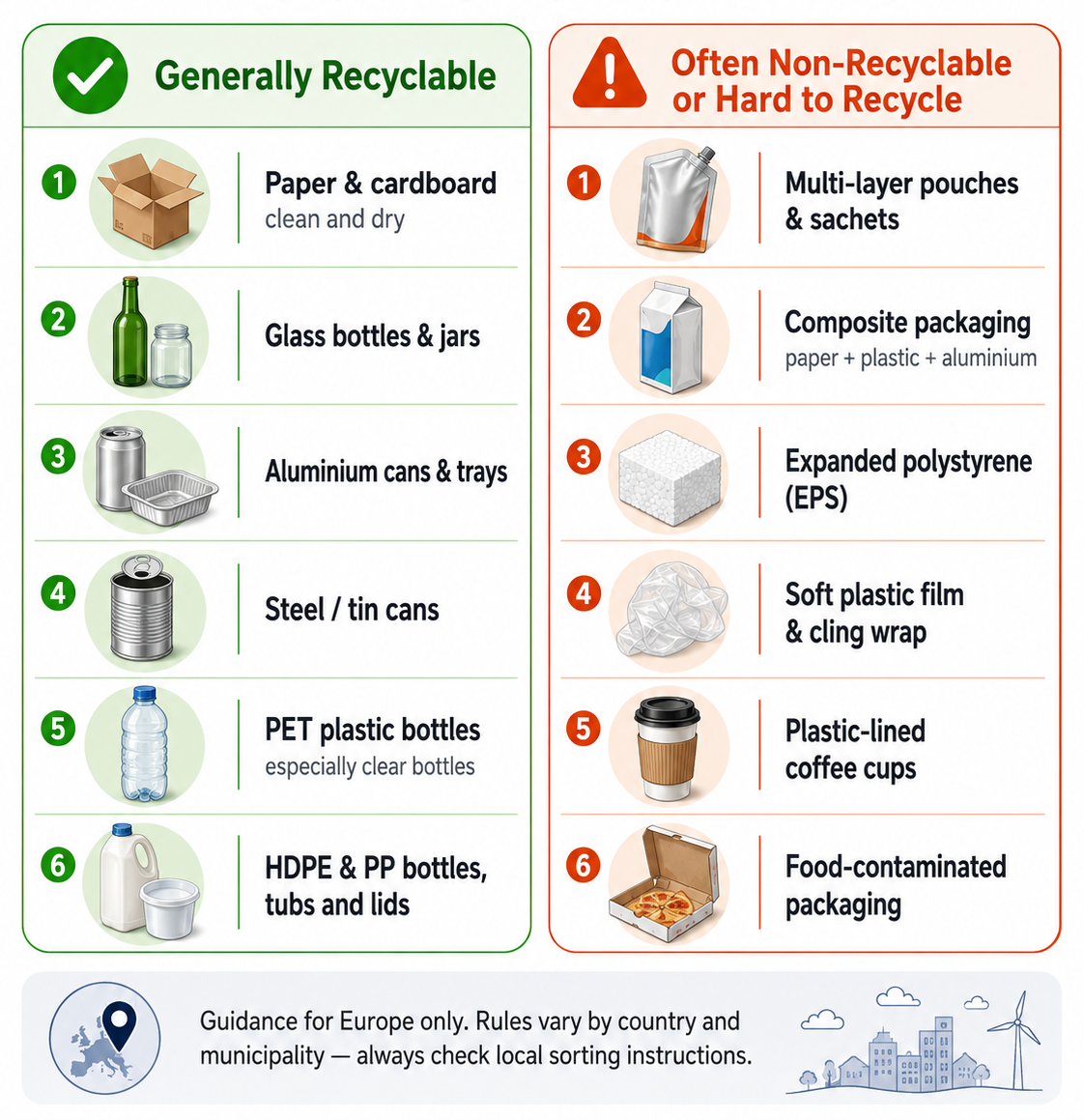
  • Easy Recyclable materials = lower costs
  • Hard to recyclable materials  = higher costs

Stronger Enforcement

  • More audits
  • More checks
  • Bigger penalties for getting it wrong

Important: what doesn’t count anymore

Waste-to-energy is NOT a solution

Under modern EPR and circular economy principles Burning waste (incineration):

  • Is not classed as recycling
  • Does not reduce your obligations and is excluded from compliance targets
  • Can still lead to full fees and penalties

If you rely on disposal instead of recycling, you’ll likely pay more and face compliance risks.

ESPR Destruction Ban

You can’t just destroy unsold stock anymore

Under the Ecodesign for Sustainable Products Regulation (ESPR):

  • Destroying unsold products is being restricted or banned
  • Applies to textiles, electronics, and many consumer goods
  • Business’s must reuse, recycle, or redistributeinstead

What this means for you:

  • You cannot destroy excess stock to avoid costs
  • You must design with circularity in mind from day one

What your business needs to do

Register everywhere you sell

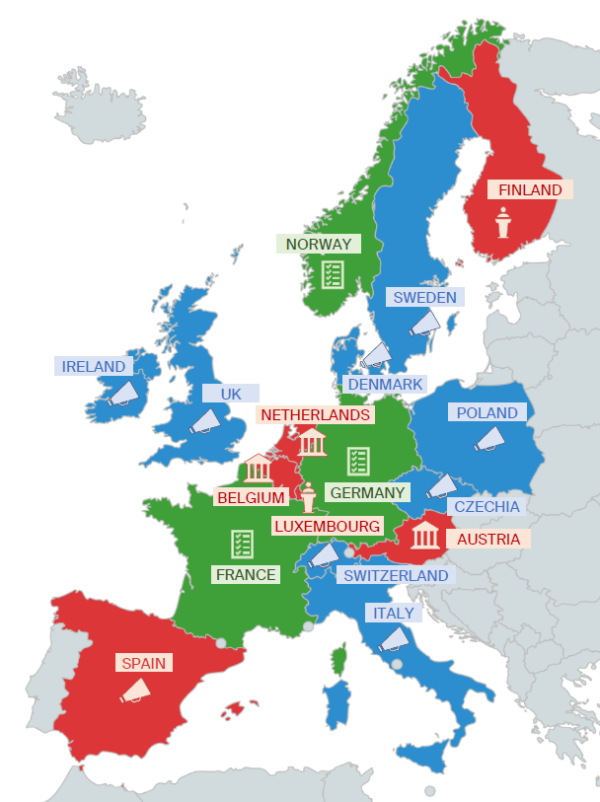
You must register in each EU country you operate in.

Track & Report your Data properly

Keep accurate records of:

  • Packaging weights and materials
  • Product categories
  • Volumes per country

Pay EPR Fees

Fees depend on:

  • Material type
  • Volume
  • Recyclability
  • Local tariffs

Join Compliance Schemes

Most countries require you to work with approved Producer Responsibility Organisations (PROs).

Improve your Design

Smarter design = lower costs:

  • Use less material
  • Make packaging easier to recycle
  • Design with circularity in mind

What happens if you don’t comply?

Non-compliance can seriously impact your business:

Financial Penalties

  • Significant fines (often linked to turnover)
  • Backdated charges

Market Access Risks

  • Products blocked from EU markets
  • Removed from online platforms

Reputational Damage

  • Public non-compliance listings
  • Loss of customer trust

Operational Disruption

  • Shipment delays
  • Supply chain interruptions

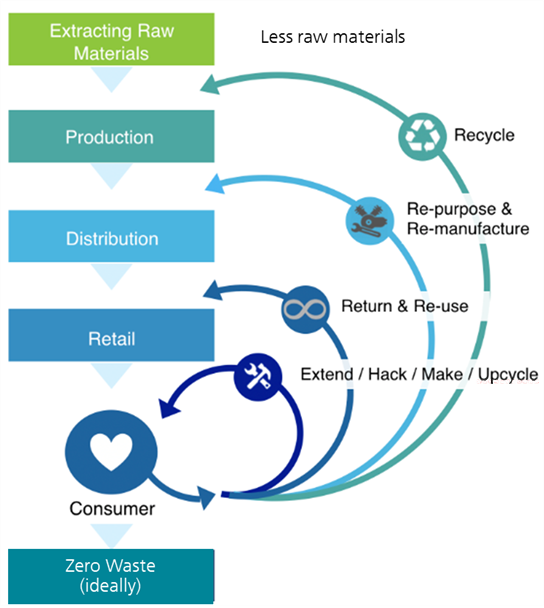
How Circular Flow Helps

We make EPR simple and turn it into a competitive advantage.

Design for Circularity

  • Reduce material usage
  • Improve recyclability
  • Lower EPR costs through smarter design

One place for all your data

  • Track everything in one platform
  • Stay audit-ready
  • Get full visibility

EU -wide Compliance

  • Know where to register
  • Manage multiple countries easily
  • Stay up to date

Automated Reporting

  • Save time
  • Reduce errors
  • See your costs clearly

Ongoing Support

  • Stay ahead of regulation changes
  • Get advice tailored to your business

Turn Compliance into an advantage

EPR isn’t just a legal requirement, it’s an opportunity to:

– Reduce costs through better design

– Strengthen brand

– Improve sustainability

– Future-proof your business

Circular Flow helps you move from compliance to competitive advantage.


Ready to Get Started?

Whether you’re new to EPR or expanding across multiple EU markets, we can help you stay compliant with confidence.

Contact us

Email: [email protected]