Compliance Made Simple

From collection and take-back programmes to material recovery and reporting, Circular Flow helps businesses meet their producer responsibility obligations while keeping neoprene in circulation.

UNDERSTANDING EPR

Responsibility doesn't end when a product is sold.

What is EPR?

Extended Producer Responsibility (EPR) is an environmental policy that makes producers responsible for the environmental impact of their products throughout their lifecycle.

If you place products on the market, you’re responsible for what happens to them at the end of their useful life, including collection, recovery, recycling and disposal.

EPR may apply if you:

  • Manufacture products
  • Import products into the UK or EU
  • Sell products under your own brand
  • Operate an e-commerce business
  • Distribute products directly to consumers


Extended Producer Responsibility (EPR) is changing how businesses manage the products they place on the market. From July 2026, businesses will face increasing responsibility for the collection, recovery, recycling and end-of-life management of their products.

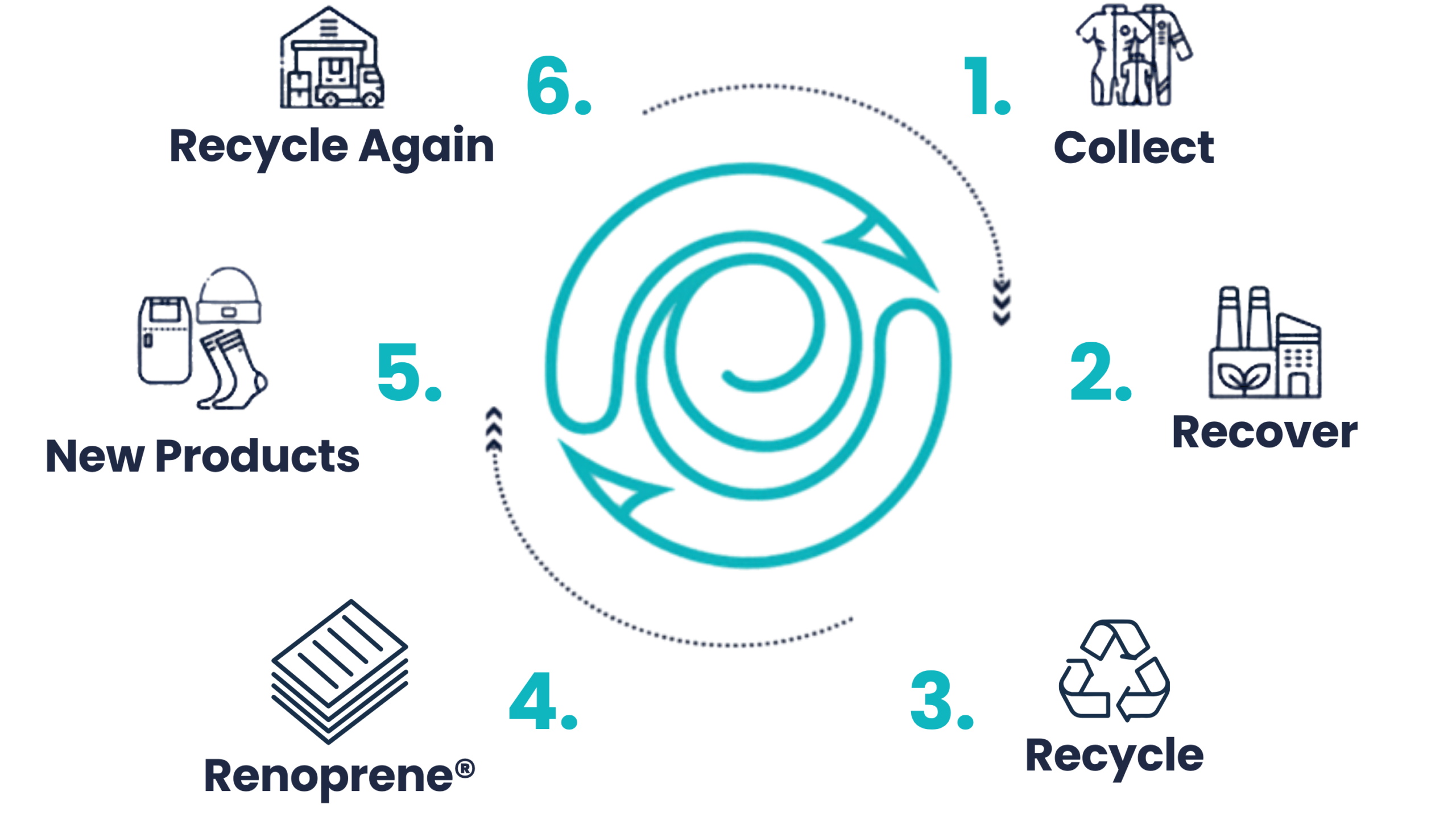
Circular Flow helps businesses prepare for these changes through practical collection, recycling and material recovery solutions that keep valuable materials in circulation.


What EPR Means for Your Business?

EPR introduces additional responsibilities for businesses, affecting how products are designed, monitored, reported and managed at the end of their useful life.

Register

Register in the relevant territories where products are sold.

Track & Report

Maintain accurate records of materials, product volumes and recycling data.

EPR Fee

Meet applicable compliance and collection costs.

Compliance Schemes

Work with approved Producer Responsibility Organisations (PROs) where required.

Design for Circularity

Reduce waste and improve product durability, recyclability and material recovery.

What Happens If You Don't Comply?

Failure to meet EPR obligations can lead to:

Financial Penalties

Fines, charges and additional compliance costs.

Market Access Risks

Restrictions on selling products in certain markets.

Reputational Damage

Increased scrutiny from customers and stakeholders.

Operational Disruptions

Supply chain delays and administrative challenges.

How Circular Flow Helps

We make EPR simple and turn waste into value.

Collection Programmes

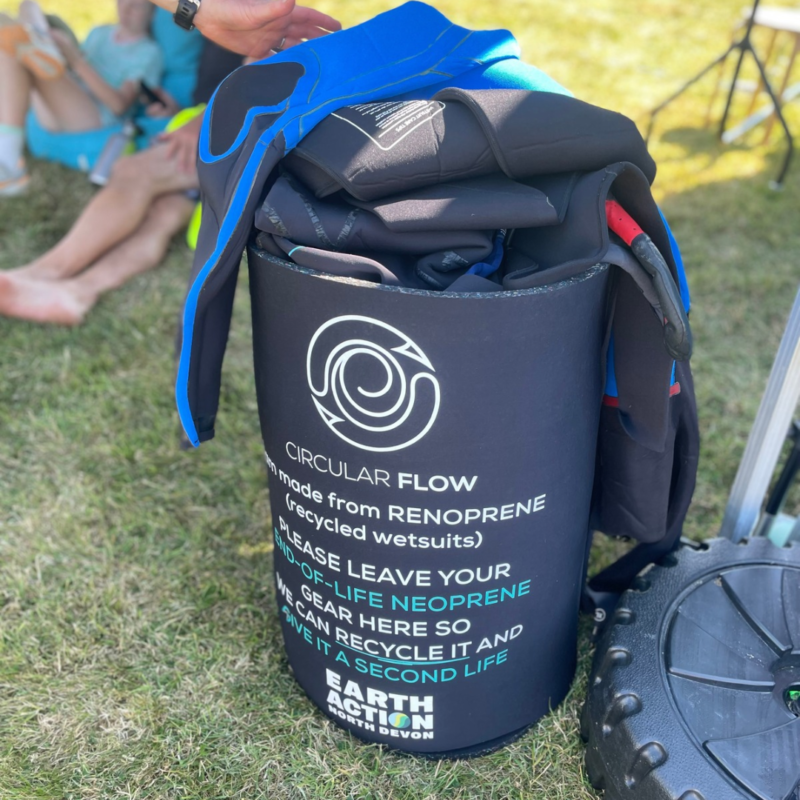
Establish take-back schemes and collection points for unwanted neoprene products.

Material Recovery

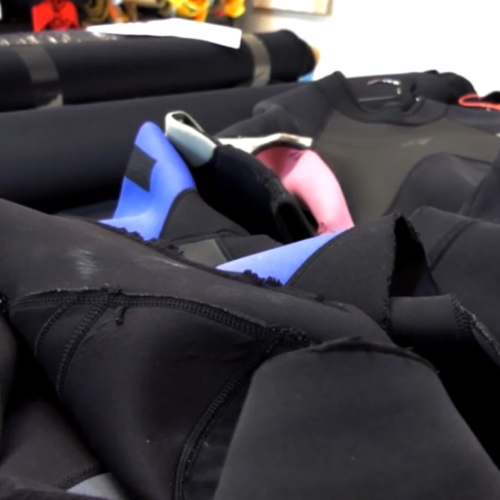
Recover valuable neoprene materials and divert waste from landfill.

Renoprene®

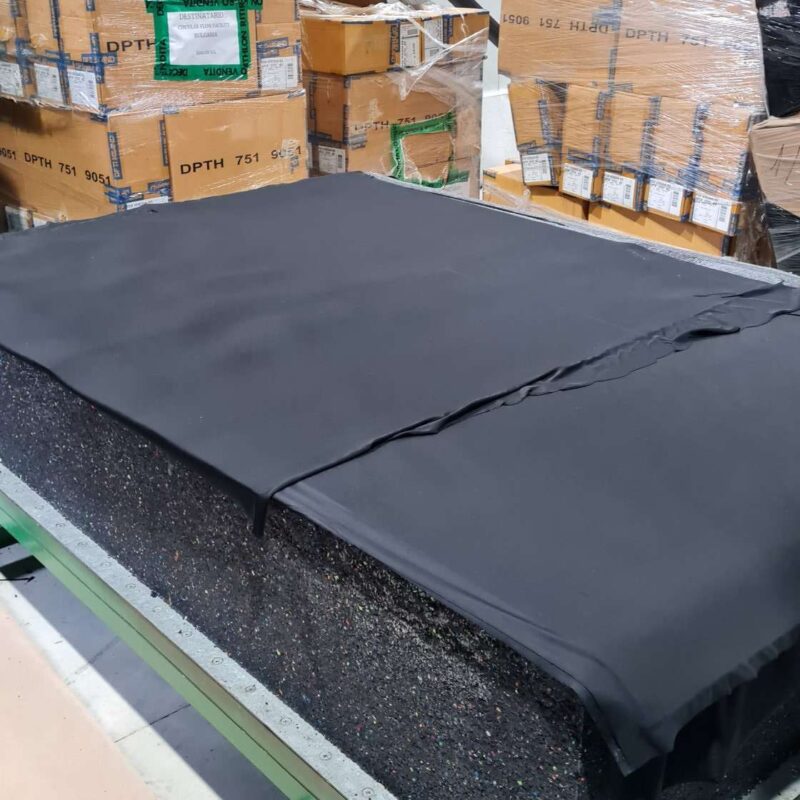
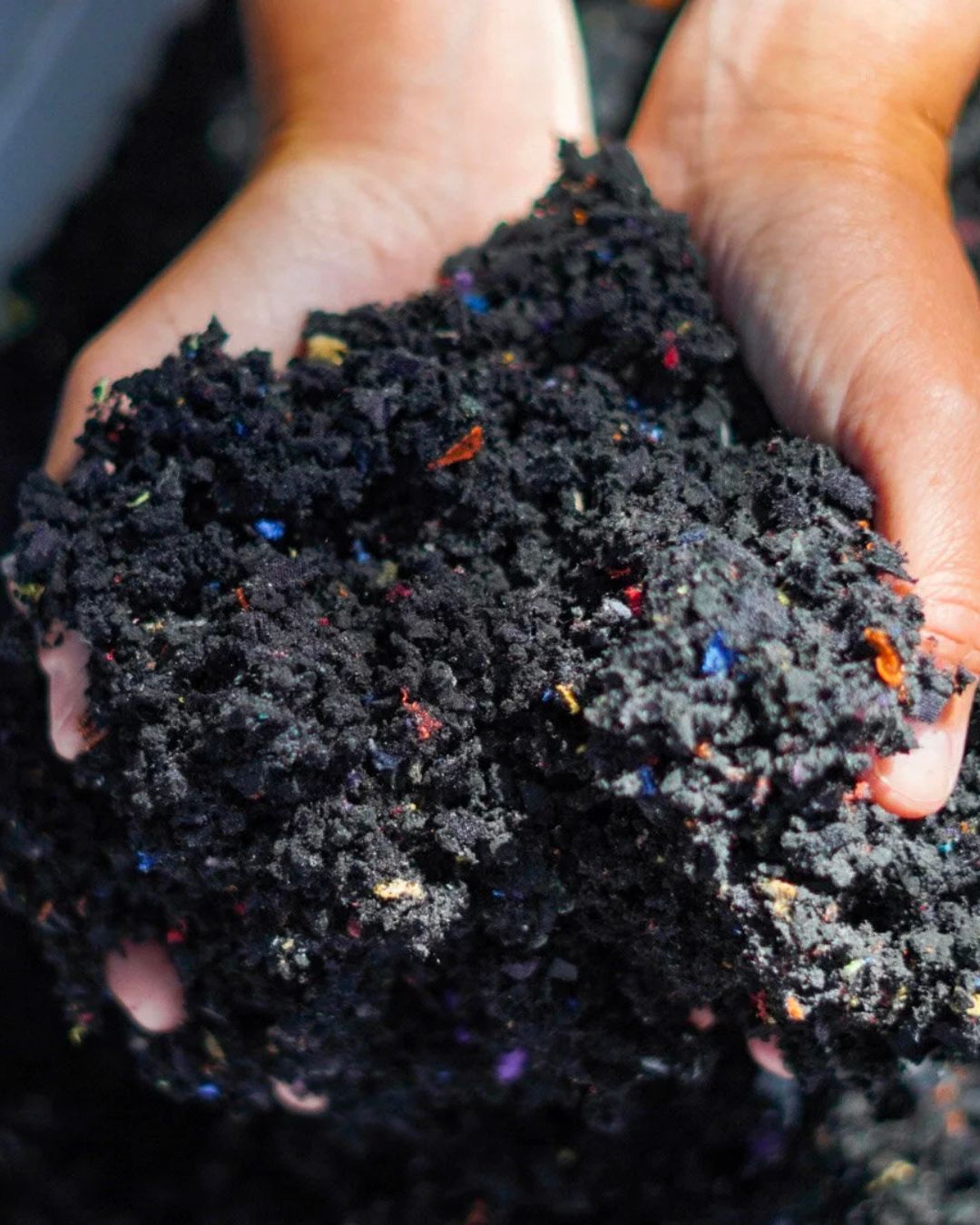
Transform recovered neoprene into Renoprene®, a high-quality secondary raw material.

Circular Product Development

Incorporate Renoprene® into new products and applications.

Ongoing Support

Stay ahead of changing regulations and sustainability requirements.

Circular Flow helps businesses meet EPR requirements by Collecting, Recovering and Recycling end-of-life neoprene products.

Explore How We Work

Closing the Loop on Neoprene

Unlike traditional disposal routes, Circular Flow keeps neoprene in circulation.

Why Renoprene® Matters

Renoprene® transforms end-of-life neoprene into a valuable resource that can be used in a growing range of products and applications.

Benefits include:

  • Reduced landfill waste
  • Support for EPR compliance
  • Circular product development
  • Reduced reliance on virgin materials
  • Recyclable at end of life
Explore Renoprene™

Trusted by Industry Partners

Working with brands, retailers, manufacturers and organisations to help close the loop on neoprene.

Meet all our partners

Frequently Asked Questions

Does EPR apply to neoprene products?

EPR requirements depend on product category and local legislation. Businesses placing neoprene products on the market should assess their obligations within the countries where they operate.

How can Circular Flow help with EPR?

We support businesses through collection programmes, material recovery, recycling initiatives and circular product development.

What is Renoprene®?

Renoprene® is Circular Flow’s recycled neoprene material, created from recovered end-of-life neoprene products.

What can Renoprene® be used for?

Renoprene® can be used in accessories, promotional products, event merchandise, construction materials and a growing range of innovative applications.

Can products made from Renoprene® be recycled again?

Yes. Renoprene® is designed to support circularity and can be recovered and recycled again at the end of its useful life.

How do we get started?

Contact our team to discuss EPR compliance, collection programmes, material recovery or opportunities to incorporate Renoprene® into your products.

Ready to Turn Compliance Into Circularity?
Whether you’re preparing for EPR requirements, developing new products, or looking to recover waste neoprene, we’re here to help.
Discuss Your EPR Requirements