
Neoprene is one of the most widely used performance materials in the world. For more than 90 years, it has been used in wetsuits, laptop sleeves, sports equipment, medical supports, footwear, and thousands of other products. It’s popular because it’s flexible, durable, water-resistant, and provides excellent insulation. But as sustainability becomes a bigger priority, more people are asking important questions: What is neoprene made from? Is it sustainable? And what happens to it when it’s no longer needed?
What Is Neoprene?

A Brief History of Neoprene
Neoprene was invented in 1930 and became the world’s first commercially successful synthetic rubber.
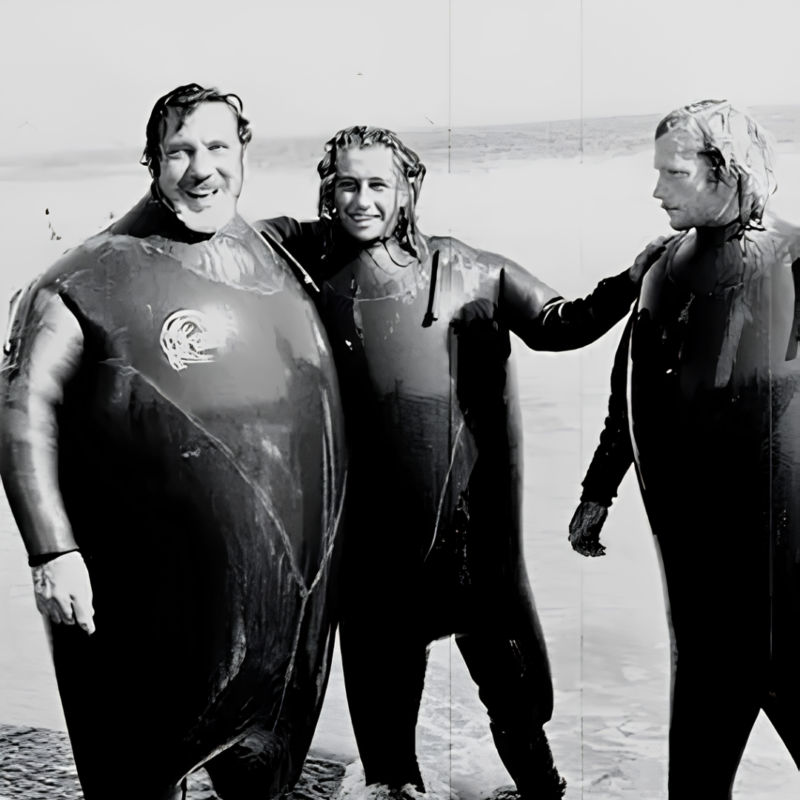
Originally developed as an alternative to natural rubber, it quickly gained popularity thanks to its resistance to water, weather, oils, and temperature changes. By the 1950s, it had become a key material in wetsuits, helping surfers, divers, and watersports enthusiasts stay warmer in cold water.
Today, neoprene is used across hundreds of thousands of tonnes of products each year, supporting industries ranging from transportation and construction to healthcare and watersports. Global demand for chloroprene rubber, the synthetic rubber commonly known as neoprene, is estimated at approximately 230,000-240,000 tonnes per year. [radialinsights.com], [globalinfo…search.com]
What Is Neoprene Made From?
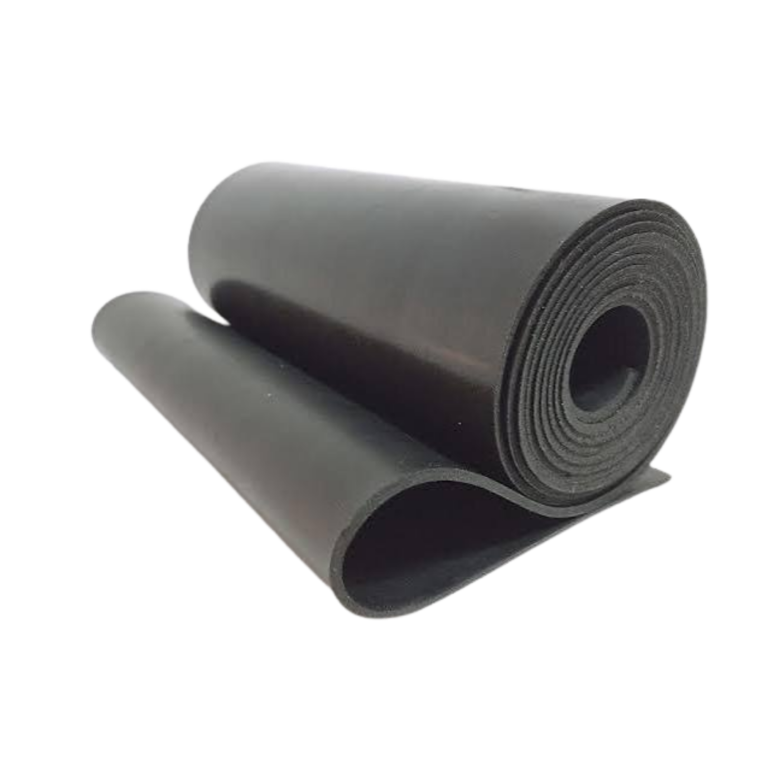
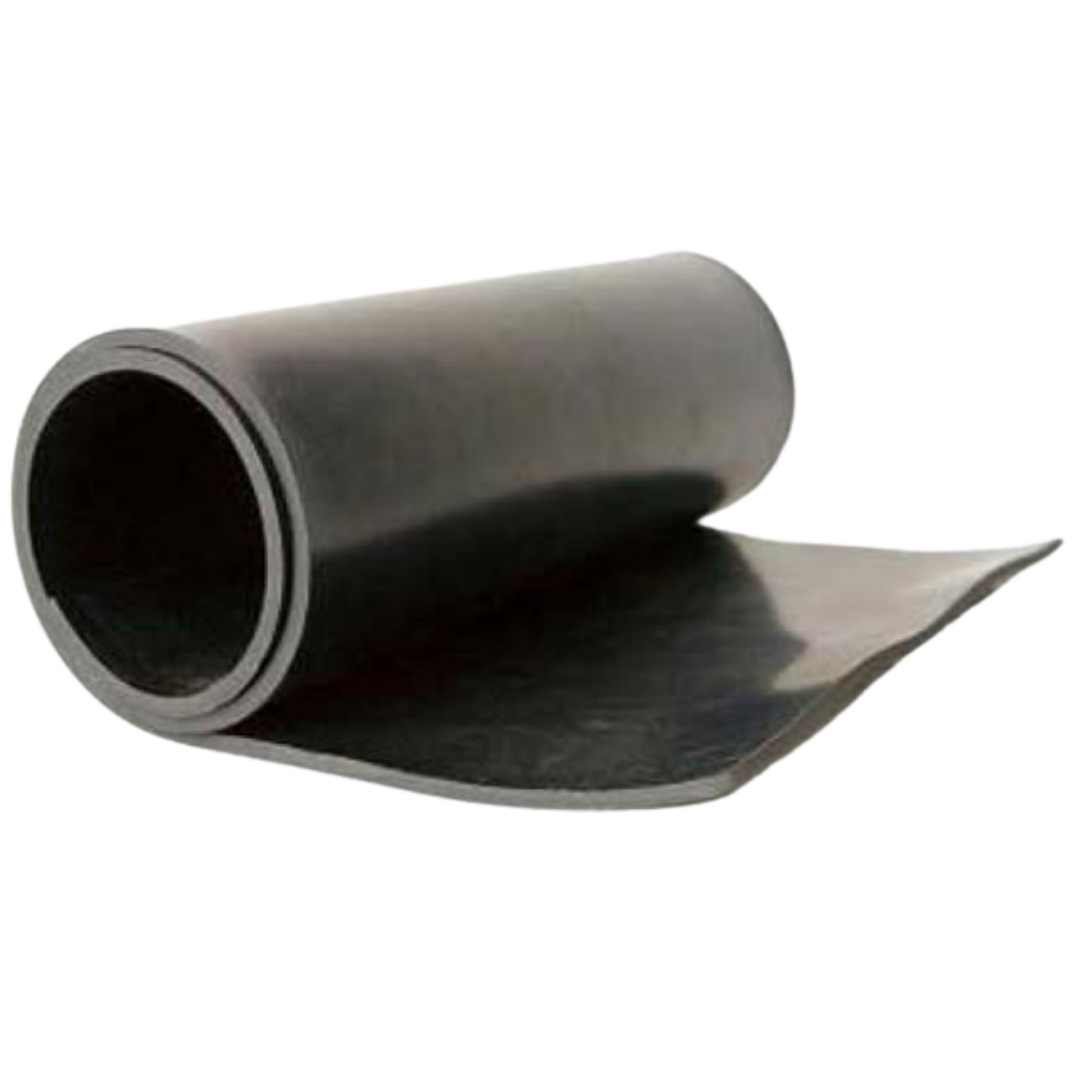
Traditional neoprene is a synthetic rubber called polychloroprene. Most neoprene is produced using petroleum-based raw materials through an energy-intensive manufacturing process. The material is then expanded into a foam and laminated with fabrics such as nylon or polyester to create the finished product.
The result is a high-performance material that’s ideal for demanding environments, but it also comes with environmental challenges, including fossil fuel use, carbon emissions, and limited recycling options.
Why Is Neoprene So Popular?
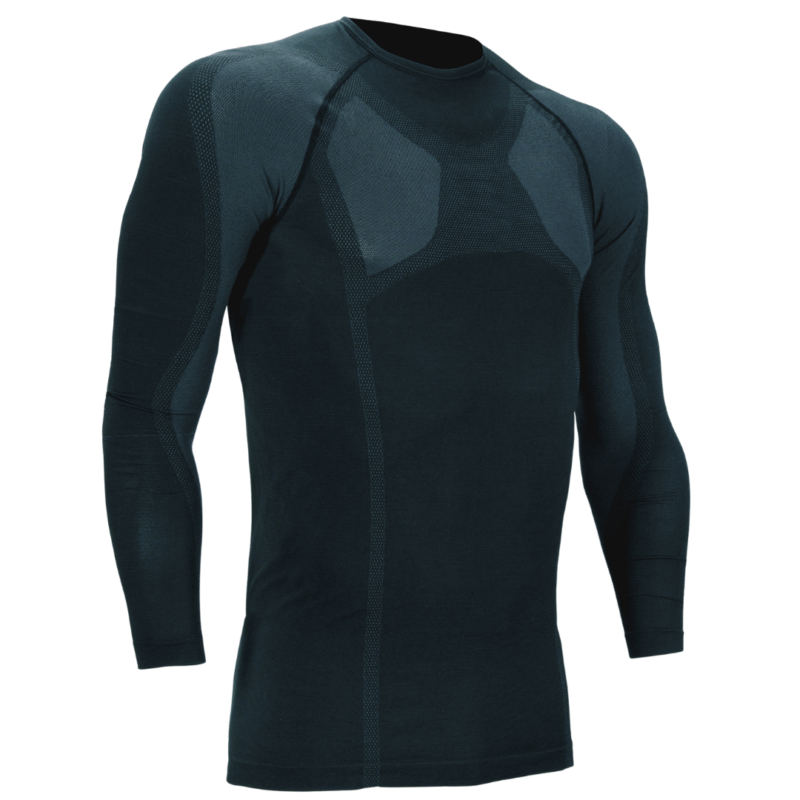
Neoprene combines several performance benefits in one material:
- Excellent thermal insulation
- Water resistance
- Flexibility and comfort
- Long-lasting durability
- UV and weather resistance
- Shock absorption
- Reliable performance in harsh conditions
These qualities make it ideal for products that need to perform, protect, and last.
Where Is Neoprene Used?
Watersports
- Wetsuits
- Surf accessories
- Dive suits
- Gloves and boots
- Buoyancy aids
Everyday Products
- Laptop sleeves
- Camera cases
- Protective covers
- Sports braces and supports
Industrial Applications
- Gaskets and seals
- Hoses and tubing
- Protective clothing
- Vibration-dampening components
The material’s versatility has helped create a global chloroprene rubber market worth approximately US$1.2-1.7 billion annually, with demand spanning automotive, industrial, medical, consumer, and sports sectors. [mordorinte…igence.com], [fortunebus…sights.com], [straitsresearch.com]
Is Neoprene Harmful?
Finished neoprene products are generally considered safe to use. However, concerns exist around the production process and environmental impact.
Traditional neoprene manufacturing relies on fossil-fuel-derived raw materials and requires multiple industrial processing stages. End-of-life products are also difficult to recycle, and in many regions the lack of dedicated collection and recycling infrastructure means they are still commonly sent to landfill or incineration.
The challenge isn’t necessarily the material itself. The real challenge is creating better systems to keep valuable materials in circulation instead of becoming waste.
The Scale of the Challenge
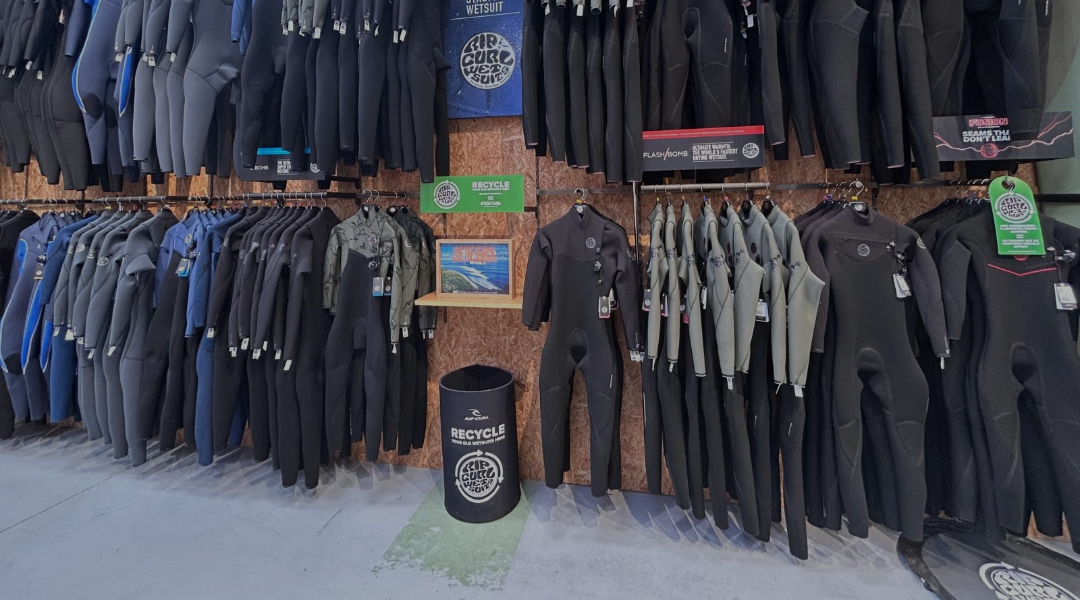
Neoprene products are designed to be durable, often lasting many years in demanding environments. However, once they reach the end of their useful life, disposal options have historically been limited.
Global demand for chloroprene rubber, the synthetic rubber commonly known as neoprene, is estimated at approximately 230,000-240,000 tonnes per year, yet recycling and recovery infrastructure remains relatively limited compared with many other materials.
While comprehensive global landfill data for neoprene is not currently available, research suggests that at least 8,380 tonnes of wetsuit waste is discarded globally every year, Landfill and incineration remain common end-of-life pathways for wetsuits where dedicated collection and recycling infrastructure is unavailable. Research in the UK also estimates that more than 380 tonnes of wetsuits are burned or landfilled each year, highlighting the scale of the challenge even within a single market.
Importantly, the 8,380-tonne figure relates only to wetsuits and does not include the many other neoprene products used across industries, including medical supports, protective equipment, laptop sleeves, industrial seals, and sporting goods. As a result, the total volume of neoprene waste generated annually is likely to be significantly higher.
These figures highlight why improved collection, reuse, recycling, refurbishment, and material recovery systems are becoming increasingly important as industries move towards a more circular economy.
The End-of-Life Challenge
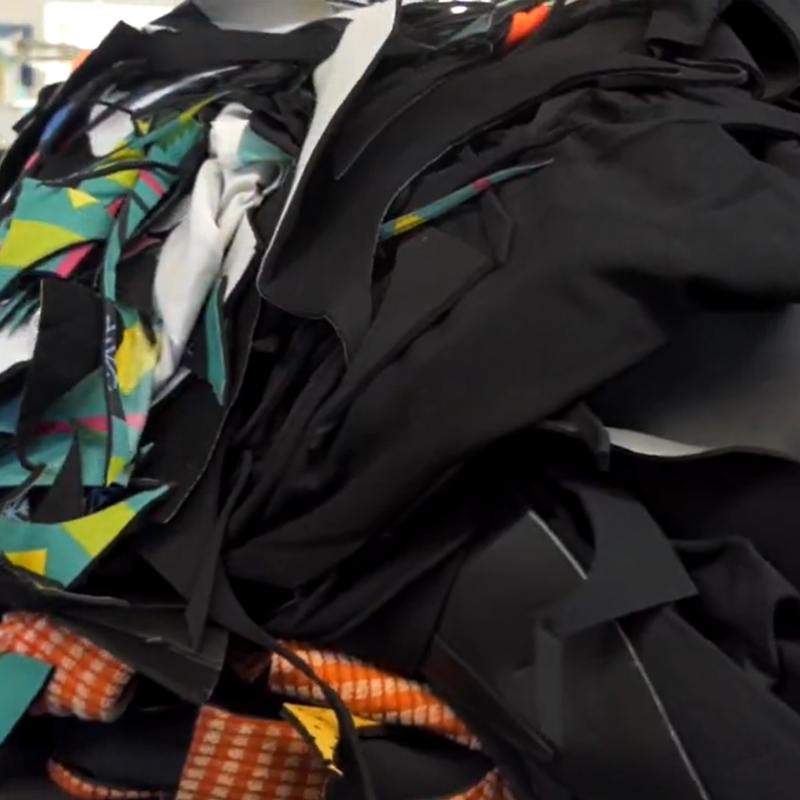
Every year, thousands of tonnes of neoprene products reach the end of their usable life.
Historically, these products have been:
- Sent to landfill
- Burned through energy recovery
- Downcycled into lower-value products
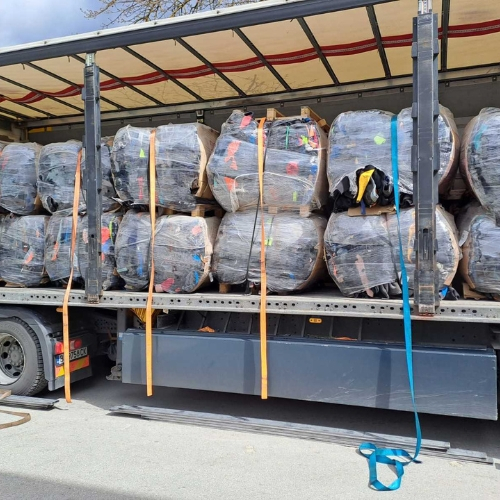
At Circular Flow, we believe there’s a better solution. Through collection, sorting, recycling, and material recovery, used neoprene can become a valuable resource rather than waste.
By recovering and reprocessing end-of-life materials, valuable resources can remain in circulation for longer and may help reduce waste and the demand for virgin raw materials.
New Materials and Innovation
The performance materials industry is evolving rapidly, with brands and manufacturers searching for ways to reduce environmental impact while maintaining the performance users expect.
Yulex Natural Rubber
Yulex is one of the most recognised alternatives to traditional neoprene. Made from responsibly sourced natural rubber rather than petroleum-derived chloroprene, it offers many of the same performance benefits while reducing reliance on fossil fuels.
Benefits include:
- Renewable plant-based raw material
- Reduced dependence on fossil fuels
- Lower carbon footprint
- Excellent flexibility and insulation
- Suitable for high-performance watersports products
Many leading outdoor and surf brands have adopted Yulex as part of their sustainability strategies.
Other Bio-Based Materials
Alongside Yulex, manufacturers are developing a range of new bio-based materials made from renewable plant-derived resources. These innovations aim to reduce reliance on virgin fossil fuels while maintaining performance and durability.
Although many are still emerging technologies, they represent an important step towards lower-impact product design.
Limestone-Based Neoprene
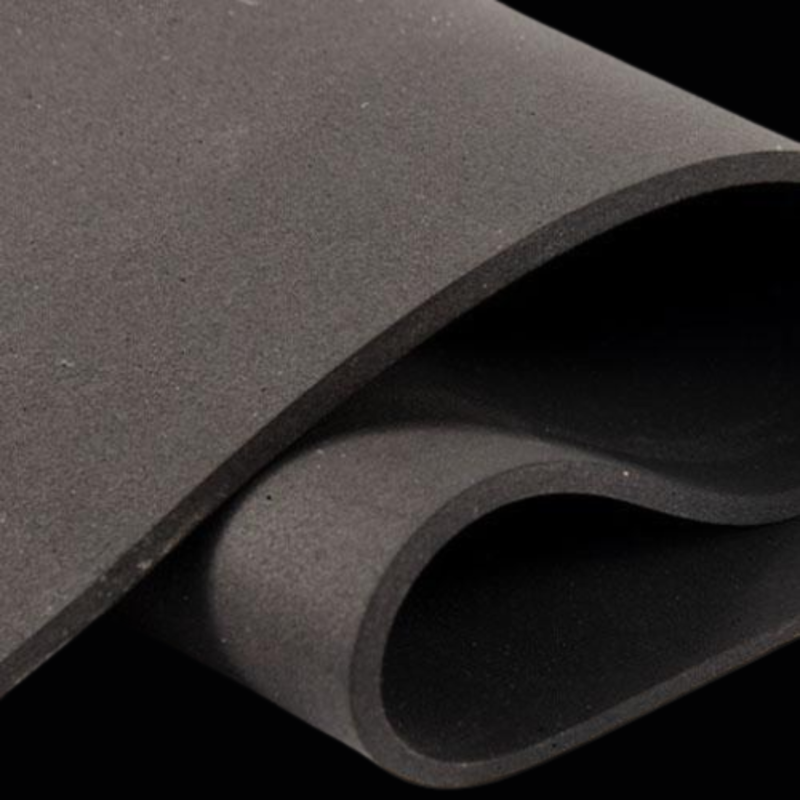
Limestone neoprene is often marketed as a more sustainable alternative to conventional neoprene. While it can reduce some dependence on petroleum-based inputs, the manufacturing process remains energy intensive and still produces a synthetic rubber material.
Circular Material Systems
Perhaps the biggest opportunity lies in creating truly circular systems. Instead of following a “make, use, dispose” model, circular approaches focus on collection, repair, recycling, refurbishment, and material recovery.
The goal is simple: keep valuable materials in use for as long as possible.
Recycled Content Solutions
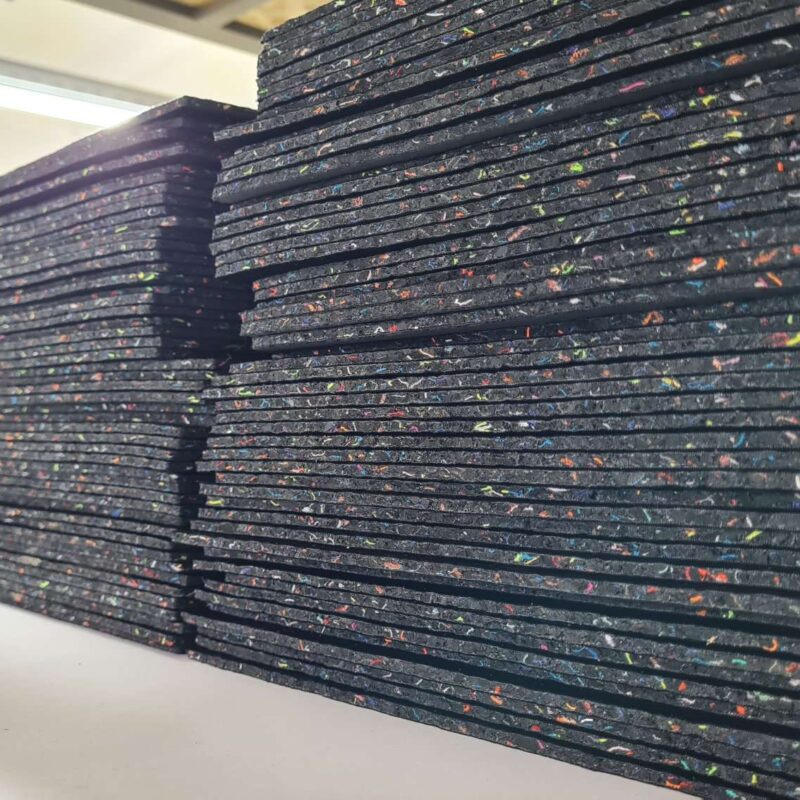
Many brands now incorporate recycled rubber, recycled polyester linings, and reclaimed
materials into new products. This helps reduce demand for virgin resources and gives existing
materials a longer life.
The Future of Neoprene
The future isn’t about finding one perfect material. It’s about building smarter, more sustainable systems.
That means:
- Using less virgin material
- Increasing recycled content
- Developing lower-impact alternatives
- Designing products for recyclability
- Expanding collection and recycling programmes
- Keeping materials in use for longer
The most sustainable future will combine better materials with better systems for recovery and reuse.
Circular Flow's Perspective
At Circular Flow, we believe sustainability isn’t just about replacing one material with another. It’s about keeping valuable materials in circulation for as long as possible. Through take-back programmes, recycling partnerships, material recovery, and circular product development, we’re helping transform end-of-life neoprene from waste into a resource. Because the most sustainable material is often the one that already exists.